What the labels mean
The Thread Count Myth: Why 800 Is Often Worse Than 300
Ply tricks turn a 200-thread fabric into an “800-count” listing. Long-staple cotton in a 300–400 percale is the honest luxury range. Above that, you are often buying marketing.
Updated 21 Aug 2026 · 7 min read · thread count myth
How 200 becomes 800
A thread is a yarn. Count the yarns in one inch of warp, add the yarns in one inch of weft, and you have thread count. A true 270–300 percale uses single-ply yarns at a density the cotton can hold. To print 800, a mill takes a coarser short-staple yarn, twists it 2-ply or 3-ply, and counts every ply. The fabric is not denser in any way you can feel as quality. It is heavier, often sweatier, and the short fibers work out as pills.
There is no law on the bag. “1,200 thread count Egyptian cotton” on a $35 marketplace set is a ply trick plus a country adjective. Real extra-long-staple Egyptian (Giza) in a legitimate mill is not sold at that price. The same eye you use on a duvet insert — look at construction, not the adjective — applies here.
| What the bag says | What you often get | What to buy instead |
|---|---|---|
| 800–1,200 TC, $35–60 queen | Short-staple, multi-ply, pills | Walk away |
| 600 TC sateen, $80–120 | Could be honest 2-ply or a dense sateen | Check fiber: Pima / Supima / Giza |
| 300–400 TC percale, named staple | Single-ply long-staple, the real range | This is the buy |
| 200 TC hotel percale | Crisp, durable, slightly rustic | Fine, especially in rental / kids |
Long-staple cotton is the actual quality signal
Staple length is how long the individual cotton fibers are. Longer fibers spin into smoother, stronger yarn with fewer ends to pill. Supima is American Pima, extra-long staple, and the word is trademarked — a useful filter. Egyptian cotton is only meaningful if it is extra-long staple Giza, not “Egyptian-grown upland.” Linen is a different plant and does not use thread count the same way; do not compare a linen sheet on TC.
Percale is a one-over-one-under plain weave: matte, crisp, cool. Sateen is a four-over-one weave: smoother, slightly heavier drape, a bit of sheen, sleeps warmer. Neither weave is “better.” The comparison belongs in percale versus sateen. Thread count is not the thing that decides it. Fiber length plus weave plus finishing is.
300–400 percale is the honest range
A single-ply long-staple percale at 300–400 is dense enough to feel finished and open enough to breathe. Push much past 500 in percale and you are either in ply games or in a stiff, over-constructed sheet that does not get softer. Sateen can sit honestly around 400–600 because the weave packs yarns differently; past 800, resume suspicion.
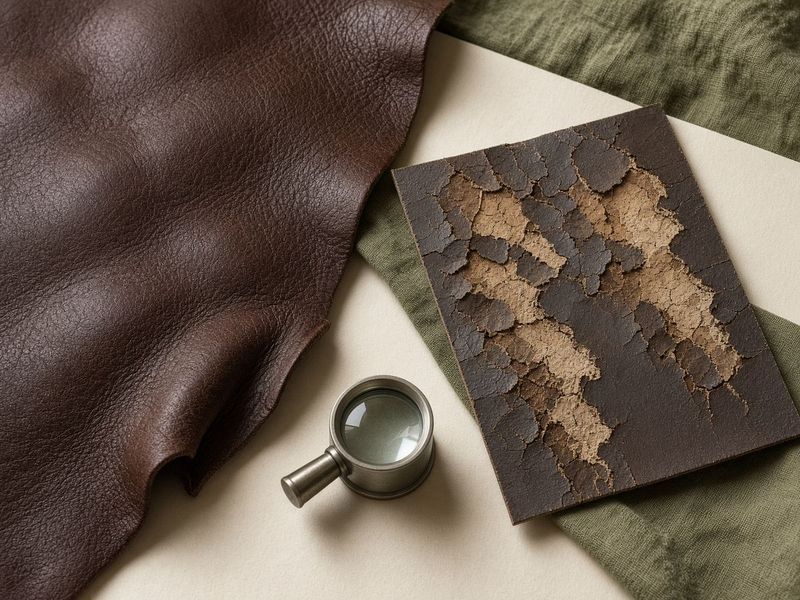
Price check: a queen set (fitted, flat, two pillowcases) in honest 300–400 percale from a brand that names the mill or the staple lands around $180–280, sometimes $140 on sale. Boutique European makers go $300–450. The $40 “1,000 TC” set is not a steal. It is the sheet equivalent of genuine leather: a real word, the wrong grade.
How to read a sheet listing
You want: fiber (Supima, extra-long-staple, or a named linen), weave (percale or sateen), and a thread count in the sane band, or no thread count at all on linen. You want a fitted sheet with deep pockets that match your mattress, not a 400 mm European depth on a US box-spring combo you have not measured. You do not want: “hotel luxury 1800,” bamboo viscose sold as cooling magic, and a thread count that is the largest number on the page.
Once you own them, wash on the same unsentimental schedule as the rest of the bed — how often to wash bedding — and do not over-soften. Softener coats cotton the way it coats a towel, which is why the advice in how to buy towels that last is to skip it. Cotton gets nicer if you let it.
Questions, answered
- Is a higher thread count better?
- Not past the point of honest single-ply density. 300–400 long-staple percale beats an 800-count short-staple ply trick on feel, heat, and pilling.
- What thread count should I buy?
- Percale: 270–400, long-staple, single-ply. Sateen: about 300–600 if the fiber is named. Ignore anything advertised primarily as 800+.
- Are 1,000-thread-count sheets a scam?
- At $40, yes — that number is plies. A legitimate ultra-dense sateen from a mill that publishes staple length and ply exists, and it is not that price.