What the labels mean
Full-Grain vs Top-Grain Leather: What You Are Paying For
Full-grain is the intact outer hide, scars included. Top-grain is that same outer layer sanded smooth. Both beat splits. Neither is “genuine.”
Updated 27 Aug 2026 · 6 min read · full grain vs top grain leather
The hide is split like plywood
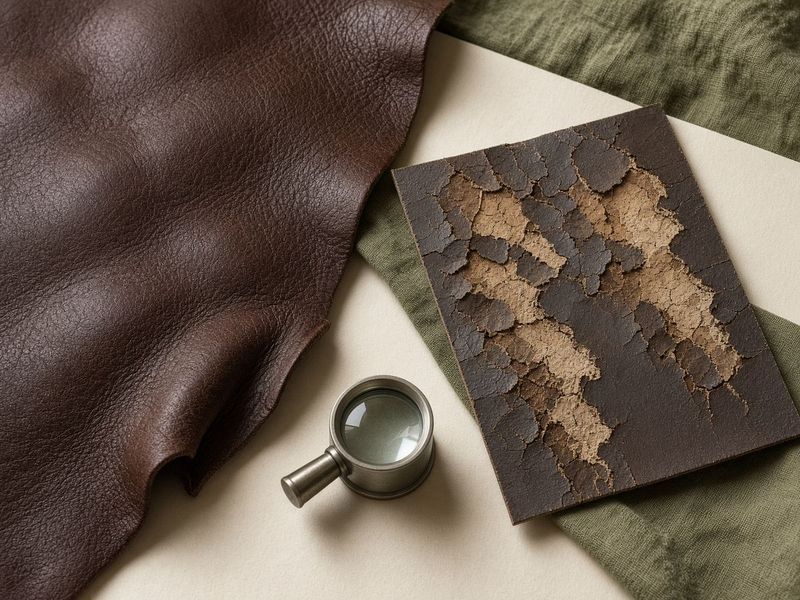
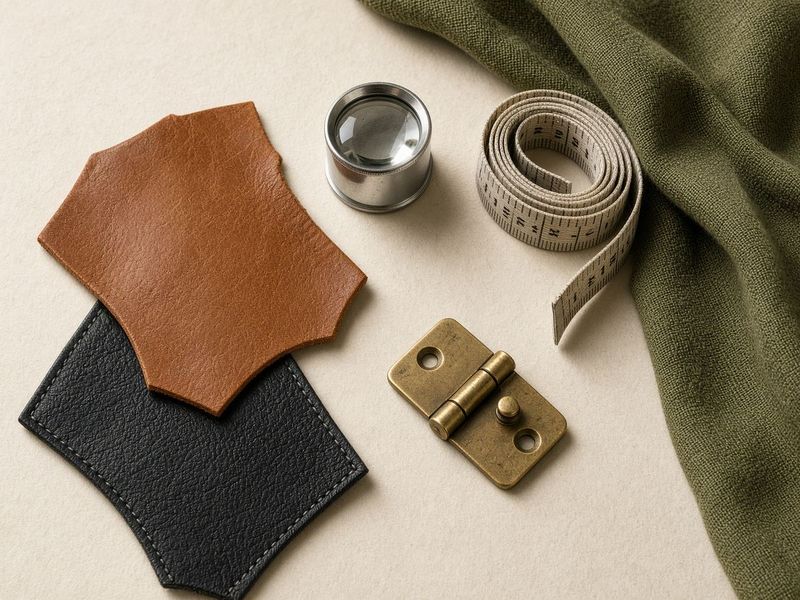
The outer face of the hide is the grain. Leave it intact: full-grain. Sand it to even out marks, then finish: top-grain. Take the lower fibrous split, sand it, pigment it, stamp a fake grain: that is the family that includes corrected grain and most genuine leather hangtags. The words are grades, not adjectives.
How they age, and the honest price
Full-grain darkens, scuffs, and looks better in year five if you condition it. Top-grain stays closer to the colour you bought; the pigment is doing some of the work. Both can be recrafted. A $28 “genuine” belt cannot.
| Grade | Surface | Ages as | Honest buy |
|---|---|---|---|
| Full-grain | Intact outer hide | Patina, visible scars | Belt $80–$150; bag $300+ |
| Top-grain | Outer hide, sanded | Stable colour, slower patina | Most good shoes $250–$450 |
| Corrected / genuine split | Lower split + pigment stamp | Coating cracks at flex | Do not pay leather prices |
| Bonded | Scrap + glue + film | Peels in sheets | Not leather in use |
What to look at in the shop
Cut edge: tight fibre, not a sandwich of suede and plastic. Back of a belt: hide, not fabric. Grain that does not repeat every 8 cm like wallpaper. If they are proud, they print full-grain or top-grain, not “real leather.”
Questions, answered
- Is top-grain fake?
- No. It is the outer hide with the surface evened out. It is the standard on quality shoes and many bags.
- Why is full-grain more expensive?
- You cannot hide scars, so the tannery uses better parts of better hides. You also get the strongest fibre layer.
- Can top-grain patina?
- A little, especially with a light aniline finish. Heavy pigmented top-grain mostly stays the colour it was dyed.