Lenses, not just frames
Acetate vs Metal Glasses Frames
Cellulose acetate is a thick, tunable plastic. Stainless and titanium are thin, adjustable, and sometimes a nickel problem. Heat, weight, and the hinge decide the winner, not prestige.
Updated 18 Aug 2026 · 7 min read · acetate vs metal glasses frames
What acetate actually is
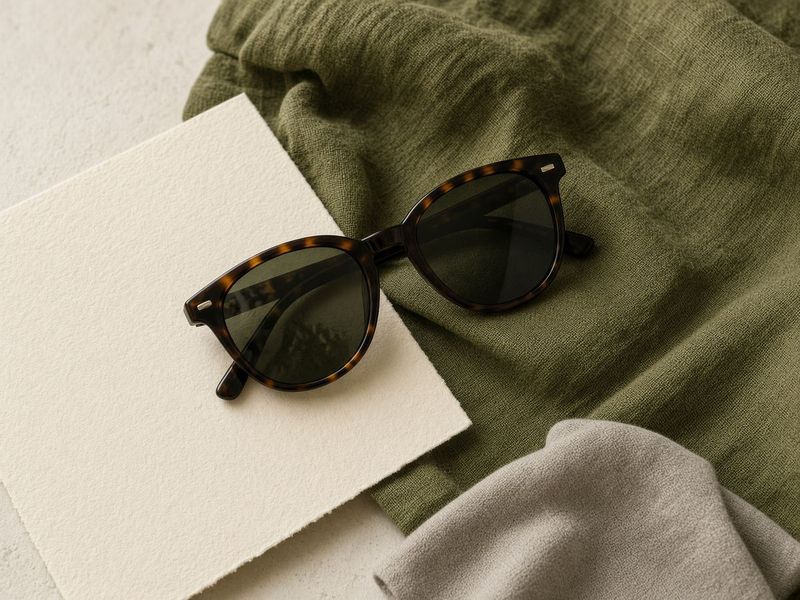
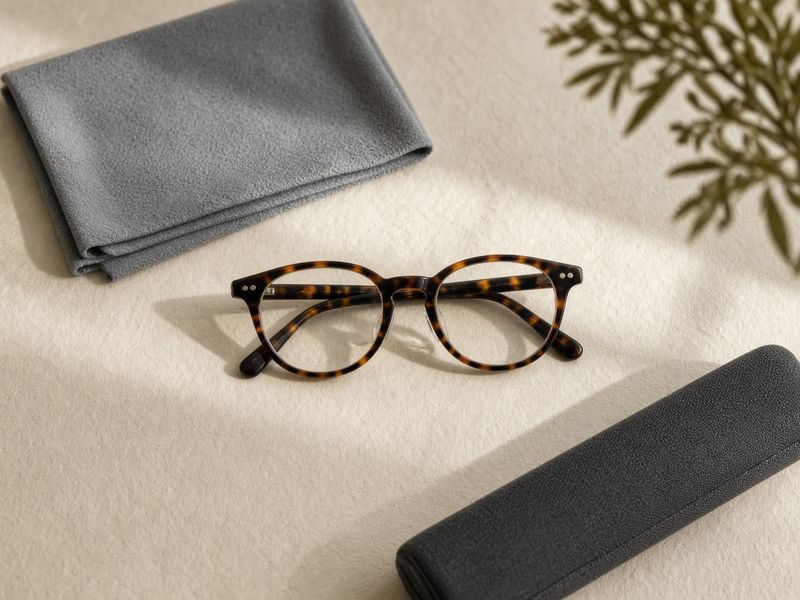
Cellulose acetate is a plant-based plastic (cotton and wood pulp plus plasticiser), cut from a block or injection-moulded. Block acetate takes colour in layers, which is why tortoise looks deep instead of painted. It is thicker than metal, warmer on the face in winter, and good at hiding the edge of a strong lens. Cheap “acetate” on a $20 pair is often ordinary injected plastic with a glossy coat — it fades and goes brittle.
Acetate hates parked-car heat. Leave a pair on a dash and the temples creep. It also hates aggressive solvents. It likes a warm-water rethink from an optician when the fit slips. For sun, acetate wayfarers are the easy angular option on a round face.
Stainless, monel, and titanium
Most thin metal frames are stainless steel or monel (a nickel-copper alloy). They take adjustment: nose pads spread, pantoscopic tilt, temple bends behind the ear. That is the fit advantage. Titanium (and beta-titanium) is lighter, more flexible, and usually better for nickel-allergic skin, at a price. Memory-metal (flexon) temples bounce back; they also fight a custom wrap if you wanted one.
Nickel is the allergy to worry about. It shows as an itch at the nose pads and along the temples. Stainless is often fine; cheap plating over nickel is not. If you already react to costume jewelry, start with titanium, plastic pads, or acetate and skip mystery metal.
| Acetate | Stainless / monel | Titanium | |
|---|---|---|---|
| Weight | Heavier, spreads over the ear | Light, can bite at pads | Lightest of the three |
| Adjustability | Heat and patience | Easy at pads and temples | Easy, springier |
| Heat | Can warp in a car | Holds shape | Holds shape |
| Allergy | Rare | Nickel possible | Usually safe |
| Look | Colour, bulk, tortoise | Thin, formal, rimless cousins | Thin, expensive-quiet |
| Typical spend | $80–$250 unbranded | $70–$200 | $150–$400 |
Weight, prescription, and the hinge
A high minus lens is thick at the edge. Acetate hides that. A thin metal rim advertises it. Rimless and semi-rimless are metal’s party trick and a bad idea for a clumsy commute — the lens chips at the drill holes. Combination frames (acetate front, metal temples) are often the honest compromise: colour where you see it, adjustability where you feel it.
Hinges matter more than the brand story. A barrel hinge with a real screw you can tighten beats a glued hidden hinge. Spring hinges are comfort on and off all day; they also loosen. Budget $10 a year at an optician for a screw and a heat-adjust rather than living with a slide down the nose.
What to pair them with, optically
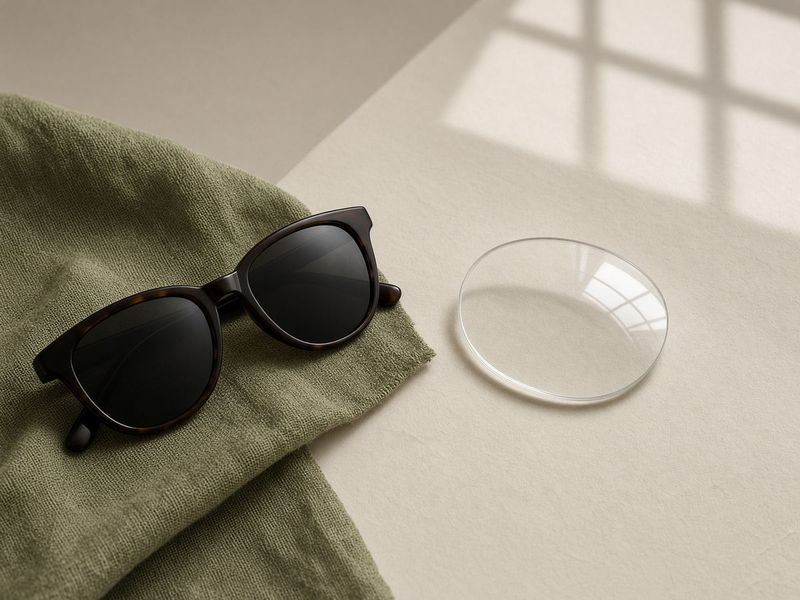
Sun lenses still need UV400, and polarization if you want it — the two are still not the same. Indoor blue-light coatings do not change which chassis you buy. Buy the frame for fit and the lens for physics.
Try both materials with your actual prescription lenses if you can, not with shop demo lenses. Acetate that feels fine empty can clamp once the glass is in. Metal that feels toy-like empty can be perfect with a thin 1.67 lens. Spend on the fit session. The material is a means.
Questions, answered
- Do acetate frames last longer than metal?
- They last if you keep them out of heat and replace the nosepads or temple tips when they wear. Metal lasts if you do not snap a weld and you are not corroding cheap plate. Either can do five years. Either can die in one hot car.
- I have a nickel allergy. What should I buy?
- Acetate, titanium, or stainless with confirmed nickel-free pads. Avoid mystery “gold tone” metal and anything that already itches in the shop.
- Which is better for sunglasses?
- Acetate for a classic wayfarer or square. Metal for aviators and clubmasters. The lens rating matters more than the chassis — UV400 first.